How to Find Speaking Opportunities in 2027
By Stage Seeker Editorial Team · Published · 12 min read
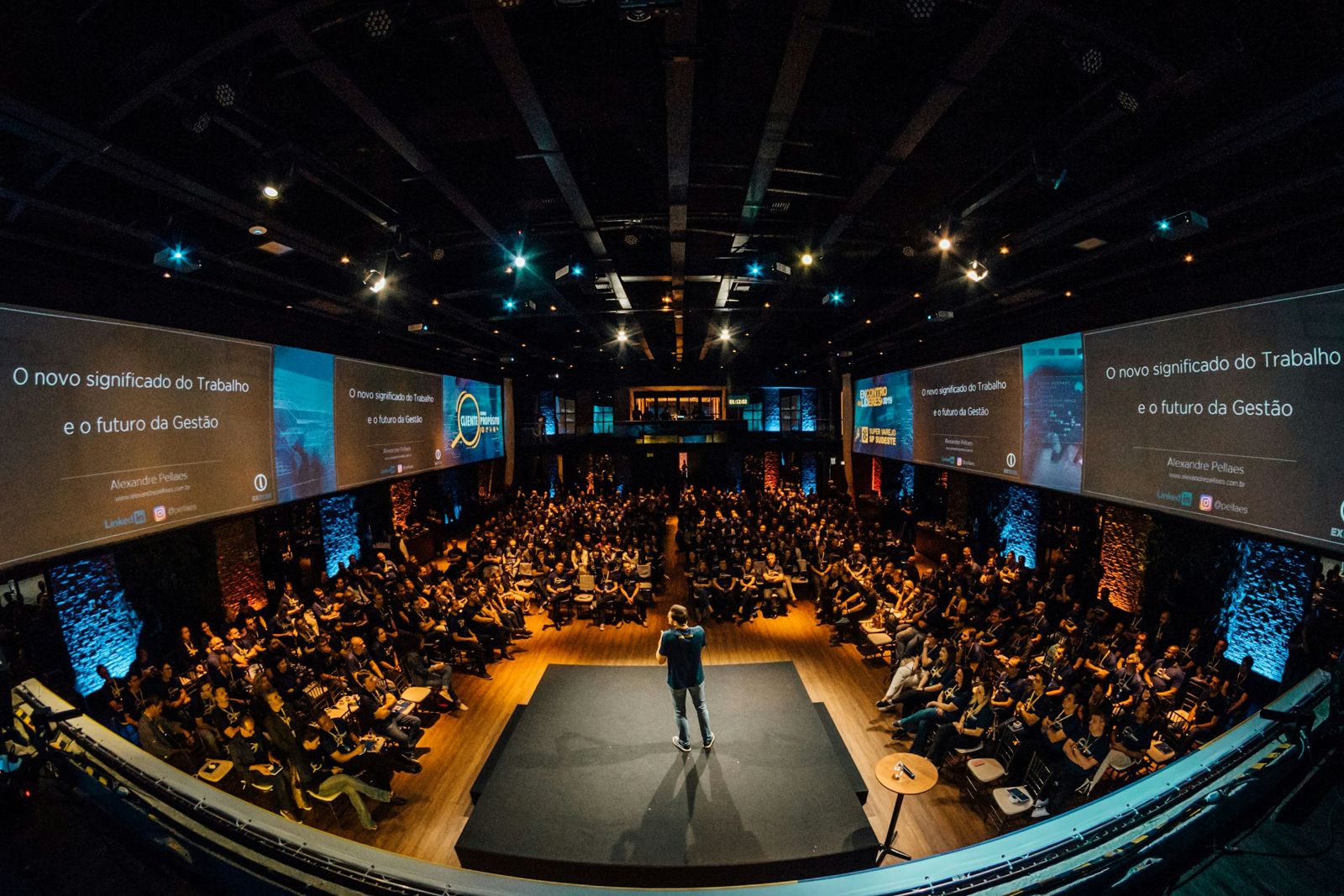
Your next speaking opportunity could be closer than you think. Here's where to look, how to apply and what to know before stepping onto your next stage.
Speaking opportunities are everywhere. Finding the right ones is often the difficult part.
Every year, conferences, businesses, universities, associations, festivals and online summits invite speakers to share their knowledge, experiences and ideas.
Some pay professional speaking fees. Others offer exposure, networking opportunities or the chance to contribute to an important conversation.
And contrary to what you might think, you don't necessarily need to be famous, have a bestselling book or have delivered hundreds of presentations to be considered.
You need something valuable to share, an understanding of the audience you want to reach and a way to discover opportunities that match your expertise.
Whether you're an aspiring speaker looking for your first event, an entrepreneur hoping to build authority or an experienced keynote speaker searching for your next engagement, this guide will help you navigate the speaking landscape in 2027.
Where Can You Find Speaking Opportunities in 2027?
The best places to find speaking opportunities in 2027 include conference websites, calls for speakers, industry associations, TEDx event pages, professional networks, corporate events, online summits and dedicated speaking opportunity platforms such as Stage Seeker.
Many organisers begin recruiting speakers months before their events take place. That means a conference scheduled for September 2027 might begin accepting applications in late 2026 or early 2027.
Starting your search early can give you more time to prepare a strong application and plan your calendar.
The challenge is that there isn't one universal application system.
Every organiser has different requirements, deadlines, selection criteria and speaker arrangements.
Let's explore where to look.
1. Conferences and Industry Events
Conferences are among the most established ways to build your speaking experience and reach an audience interested in your expertise.
They exist across virtually every industry, including:
- Technology, artificial intelligence and innovation
- Business, entrepreneurship and leadership
- Healthcare, science and education
- Finance, investment and economics
- Personal development, wellbeing and spirituality
- Sustainability, environmental issues and social impact
- Marketing, communications and creative industries
Many conferences publish a Call for Speakers, sometimes called a Call for Proposals (CFP), inviting individuals to submit presentation ideas.
These opportunities can range from short panel discussions and practical workshops to keynote presentations for hundreds or thousands of attendees.
How to Find Conference Speaking Opportunities
Start by identifying the industries and audiences most relevant to your message.
Then search for phrases such as:
- Call for speakers 2027
- Conference speaker applications 2027
- Submit a speaker proposal
- Leadership conferences accepting speakers
- Technology conference call for speakers
Visit conference websites and look for sections labelled "Speak", "Get Involved", "Call for Papers" or "Submit a Proposal".
Pay particular attention to application deadlines. Some close several months before the event.
Stage Seeker tip: Don't limit your search to conferences specifically about public speaking. The most valuable opportunity may be at an industry event where your expertise solves a problem the audience is facing.
2. Paid Speaking Opportunities
If your goal is to build a professional speaking career, paid speaking engagements are likely to be an important part of your strategy.
Organisations may pay speakers to deliver keynote presentations, facilitate workshops, moderate panels or contribute specialist knowledge.
Potential buyers include corporations, professional associations, event production companies, universities and conference organisers.
Where Can You Find Paid Speaking Gigs?
Look for:
Corporate conferences and leadership events. Businesses may engage speakers to address topics such as leadership, resilience, innovation, communication, employee wellbeing and organisational change.
Industry association events. Professional bodies organise annual conferences, regional events and educational programmes. Some have budgets for external speakers.
Executive retreats and business offsites. Smaller events can offer meaningful opportunities, particularly for speakers who combine presentations with interactive workshops.
Professional conferences. Some events advertise speaker fees or honorariums, while others negotiate fees individually.
Specialist speaking opportunity platforms. Platforms such as Stage Seeker help speakers discover opportunities and identify listings that indicate whether payment is offered.
How Much Do Speakers Get Paid?
There is no universal speaking fee.
Payment can depend on experience, subject matter, audience size, event budget, location, presentation length and whether additional services are included.
An emerging speaker may initially accept selected unpaid engagements to build experience, while established professional speakers may negotiate substantial fees.
Before accepting an engagement, clarify what the organiser is offering.
Ask whether the fee includes travel, accommodation, preparation time, rehearsals and any additional workshops.
Remember: An event offering exposure is not the same as an event offering payment. Both may have value, but they should be evaluated differently.
3. TEDx Speaking Opportunities
For many aspiring speakers, delivering a TEDx talk is a significant ambition.
TEDx events are independently organised local events licensed by TED. They bring together people with original ideas, research and experiences worth sharing.
Unlike some professional speaking engagements, TEDx events do not pay speaker fees.
TED's official guidance also makes clear that speakers must never pay to secure a TEDx speaking opportunity.
How Do You Apply to Speak at TEDx?
There is no central application process for all TEDx events.
Each independently organised event selects its own speakers, and not every event accepts applications.
The best approach is to identify TEDx events relevant to your community, visit their official websites and check whether they have published an open application process.
If an event isn't accepting speaker applications, respect its selection process rather than sending unsolicited pitches.
TEDx organisers are particularly interested in original ideas supported by genuine knowledge or work.
Your professional title alone is unlikely to be enough.
A strong TEDx idea should offer a perspective that challenges assumptions, introduces new knowledge or helps an audience see something differently.
For more information, visit TED's official guide to speaking at TEDx.
4. Virtual Summits and Online Conferences
Not every speaking opportunity requires a plane ticket or a physical stage.
Virtual summits, online conferences and webinars allow speakers to connect with audiences across the world.
For emerging speakers, these events can be a practical way to gain experience without significant travel expenses.
For established speakers, they can offer access to new markets and international audiences.
What Types of Online Speaking Opportunities Are Available?
Common formats include:
- Virtual keynote presentations
- Expert interviews
- Online panels and roundtable discussions
- Educational workshops
- Industry webinars
- Multi-day virtual summits
Many online events recruit speakers through their websites, professional communities or direct invitations.
Before agreeing to participate, ask about the audience, promotional expectations, recording rights and whether the event is paid.
Some virtual summits require speakers to promote the event to their own audiences. Make sure those expectations are clear before committing.
5. Universities, Charities and Community Organisations
Some of the most meaningful speaking opportunities are found outside major conferences.
Universities, charities, educational institutions, community organisations and professional networks regularly organise events where experienced individuals can share valuable insights.
These opportunities can be particularly relevant for speakers whose expertise involves education, social impact, entrepreneurship, health, leadership or lived experience.
You may find opportunities through university event calendars, alumni networks, charity programmes, professional groups and local business associations.
Not every event will have a formal application process. Some invite speakers directly based on their work and relevance to the audience.
For someone building their speaking portfolio, a smaller, highly engaged audience may offer more value than a large event that isn't aligned with their message.
6. LinkedIn and Professional Networks
LinkedIn can be a valuable resource for discovering speaking opportunities, especially within business and professional industries.
Event organisers sometimes publish calls for speakers through their company pages or personal profiles before those opportunities become widely known.
Search for terms such as:
- Looking for speakers
- Call for speakers
- Seeking keynote speakers
- Conference speaker applications
- Panel speakers wanted
Follow relevant conference organisers, industry associations and event professionals.
Engage thoughtfully with discussions related to your expertise and make it clear on your profile which topics you speak about.
Your professional network may also introduce you to opportunities that are never publicly advertised.
However, searching through individual posts, event websites and announcements can quickly become time-consuming.
This is one of the reasons Stage Seeker was created.
7. Dedicated Speaking Opportunity Platforms
One of the biggest challenges speakers face isn't a lack of opportunities.
It's the time required to find them.
Conference websites, professional associations, social media posts and application portals all publish information independently.
You might find a brilliant opportunity today, only to discover the application deadline passed yesterday.
Dedicated speaking opportunity platforms can simplify the research process by bringing relevant listings into one place.
How Stage Seeker Helps You Find Your Next Stage
Stage Seeker is a platform designed to help people discover speaking opportunities around the world.
Instead of spending hours searching through multiple websites, members can explore curated opportunities and use filters to identify listings relevant to their goals.
The platform includes opportunities across different industries and regions, with categories for paid, unpaid and pay-to-speak engagements.
The aim is simple: spend less time searching and more time applying, preparing and sharing your message.
Explore speaking opportunities on Stage Seeker
How to Choose the Right Speaking Opportunities
Finding an event is only the beginning.
Not every opportunity will be the right fit for your goals, expertise or audience.
Before applying, consider five important questions.
1. Is the Audience Relevant to Your Message?
An audience of 100 people who genuinely need your expertise may be more valuable than an audience of 2,000 with little interest in your subject.
Consider who will attend, what challenges they face and how your presentation could help them.
2. Is the Opportunity Paid or Unpaid?
Understand the financial arrangement before committing.
For paid engagements, clarify the fee and expenses.
For unpaid events, decide whether the experience, relationships or exposure justify your time and costs.
3. Does the Event Align with Your Professional Goals?
Are you trying to build your speaking portfolio, attract clients, promote a book, establish industry credibility or develop a full-time speaking career?
Different opportunities serve different purposes.
Choose intentionally.
4. Are There Additional Costs or Obligations?
Some events charge speakers to participate.
This is generally known as pay-to-speak.
Such arrangements are different from traditional paid or unpaid speaking engagements and should be evaluated carefully.
Ask what the payment covers, whether there are additional requirements and what you will receive in return.
Never assume that paying for a stage guarantees business opportunities, publicity or future speaking engagements.
5. Is the Event Legitimate?
Research the organiser, previous events and published speaker information.
Check that the event has clear contact details and transparent terms.
Be particularly cautious of organisers promising guaranteed exposure, unrealistic outcomes or prestigious speaking placements in exchange for payment.
And remember that international engagements may involve visa, work authorisation or tax requirements, even where the event itself is unpaid.
How to Apply for Speaking Opportunities
Once you've identified an event that matches your expertise, your application needs to demonstrate why your presentation would benefit its audience.
Organisers may receive many applications, so clarity matters.
Step 1: Choose a Specific Speaking Topic
Avoid presenting yourself as someone who can speak about everything.
Identify two or three subjects where your knowledge, experience and perspective can offer genuine value.
For example, instead of proposing a broad presentation called "Leadership", consider a more focused topic such as:
Why Human Connection Becomes More Valuable in an AI-Driven Workplace
A specific title helps an organiser understand the relevance of your presentation.
Step 2: Create a Compelling Speaker Bio
Your speaker biography should establish credibility without becoming a long professional history.
Include your relevant experience, areas of expertise and the perspective you bring.
If you have previous speaking experience, mention it where relevant.
If you don't, focus on the work, research or lived experience that qualifies you to discuss your topic.
Step 3: Write a Clear Presentation Description
Explain what the audience will learn and why it matters.
A useful presentation proposal should answer:
- What is the central idea?
- Why is it relevant to this audience?
- What will attendees understand or be able to do afterwards?
Avoid vague promises such as "an inspiring talk that will transform lives".
Specific outcomes are more useful to event organisers.
Step 4: Follow the Application Instructions
Each organiser may request different information, including a biography, headshot, presentation outline, video or previous speaking references.
Read the requirements carefully and submit everything before the deadline.
Don't assume that a generic application will work for every event.
Step 5: Keep Track of Your Applications
Maintain a simple record of the events you've applied to, their deadlines, expected response dates and any follow-up requirements.
This helps you avoid missed deadlines and duplicate applications.
It also allows you to see which topics and pitches are generating interest.
Can You Get Speaking Opportunities Without Experience?
Yes. You can secure speaking opportunities without previous professional speaking experience, although your expertise, presentation idea and suitability for the audience will influence your chances.
Everyone who speaks professionally starts somewhere.
Your first opportunity might be a local business event, community gathering, online summit or industry workshop.
You don't need to wait until you've built an impressive speaker portfolio before applying.
Instead, focus on what you can contribute.
If you have specialist knowledge, professional experience, original research or a meaningful perspective, you may already have something worth sharing.
Start with opportunities where your knowledge is genuinely relevant, prepare thoroughly and use each experience to improve.
When organisers permit it, collect photographs, recordings and testimonials to support future applications.
A speaking career is often built one opportunity at a time.
How to Build a Consistent Speaking Pipeline in 2027
Finding one event is exciting.
Building a repeatable process for discovering and applying to opportunities is even more valuable.
You don't need to spend hours searching every day.
A simple weekly routine can help.
- Monday: Identify your priorities. Decide which audiences, industries and regions you want to focus on.
- Tuesday: Search for opportunities. Review relevant conference websites, industry announcements and speaking opportunity platforms.
- Wednesday: Shortlist suitable events. Consider deadlines, audience relevance, fees, location and application requirements.
- Thursday: Prepare your applications. Tailor your speaker bio, presentation description and supporting materials.
- Friday: Submit and follow up. Send completed applications, update your tracking document and review any outstanding submissions.
Consistency is more useful than submitting dozens of poorly matched applications.
Even a few well-researched applications each month can help you build momentum.
Your Voice Deserves to Be Heard
There are people who could benefit from your experience, knowledge and perspective.
People who might see a problem differently because of something you share.
People who might take action, start a conversation or discover a new possibility after hearing your message.
But they can't hear you if they never discover you.
And you can't apply for an opportunity you don't know exists.
That's why finding the right stages matters.
Whether you're searching for your first speaking engagement or your fiftieth, the opportunity to share your message begins with knowing where to look.
Your next stage is out there.
Let Stage Seeker help you find it.
Discover speaking opportunities at StageSeeker.com
About Stage Seeker
Stage Seeker helps aspiring and established speakers discover speaking opportunities around the world. From conferences and corporate events to online summits and industry gatherings, the platform brings opportunities together so speakers can spend less time searching and more time getting their voices heard.
Frequently Asked Questions
Where can I find free speaking opportunities?
Unpaid speaking opportunities can be found through conferences, charities, universities, professional associations, community events and online summits. Check whether expenses are covered and what participation involves before accepting.
How do I find paid speaking engagements?
Look for corporate events, industry conferences, professional associations and organisers that advertise speaker fees or honorariums. Dedicated speaking platforms can also help you identify opportunities where payment information is available.
Do I need a speaker agent to get speaking opportunities?
No. Many speakers apply directly to event organisers or build relationships through professional networks. Speaker agents and bureaus can become useful as your career develops, but they aren't a requirement for getting started.
How far in advance should I apply to speak at conferences?
Some conferences recruit speakers many months before the event, while smaller events may work on shorter timelines. Check each organiser's deadline and begin researching your preferred events as early as possible.
Can I speak at international events?
Yes, subject to the organiser's requirements and any applicable immigration, work authorisation and tax rules. Requirements can vary by country, nationality, activity and whether payment or expenses are provided.
Are pay-to-speak opportunities worth it?
They can be appropriate in some circumstances, but value depends on the audience, organiser, total cost, transparency and your objectives. Paying for a speaking opportunity does not guarantee future business or professional recognition.
What is the easiest way to find speaking opportunities?
Using a dedicated speaking opportunity platform can reduce the time spent searching across individual conference websites and announcements. Stage Seeker brings curated opportunities together and provides filters to help members identify relevant events.
Stage Seeker Editorial Team
The Stage Seeker editorial team researches speaking opportunities every week and shares practical guidance to help speakers find the right stages and get booked.